The Amazing Benefits of Beeswax in Natural Lip Balms
- fawnfragrances
- Mar 3
- 4 min read
Lip balms are a staple in many people’s daily routines, especially when it comes to protecting and nourishing dry, chapped lips. Among the many ingredients used in lip balms, beeswax stands out as a natural, effective, and versatile option. This post explores why beeswax is such a valuable component in natural lip balms, highlighting its benefits, how it works, and why it’s preferred over synthetic alternatives.
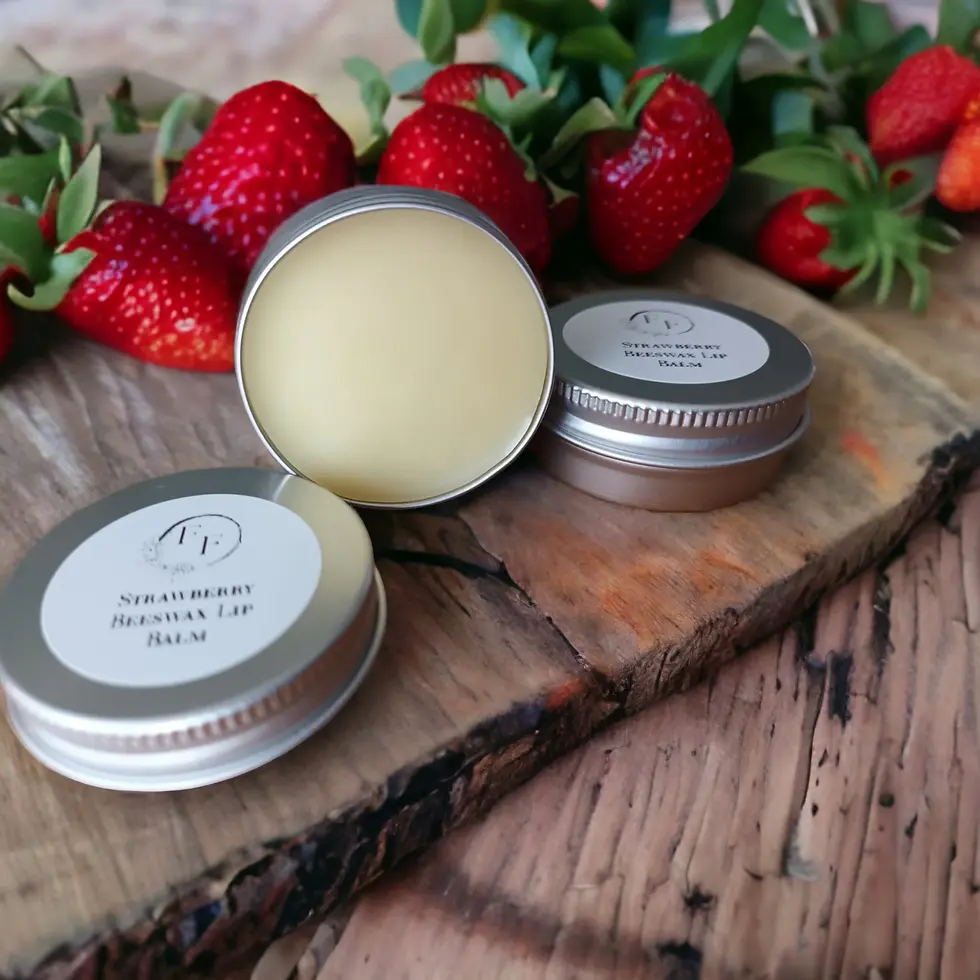
What Is Beeswax and How Is It Made?
Beeswax is a natural wax produced by honeybees. Worker bees secrete it from glands on their abdomen to build honeycomb cells in their hives. These cells store honey, pollen, and house developing larvae. After harvesting honey, beekeepers collect beeswax, which is then cleaned and processed for various uses, including cosmetics like lip balms.
The natural origin of beeswax makes it a sustainable and eco-friendly ingredient. It contains no synthetic chemicals or additives, which appeals to people seeking clean and green beauty products.
How Beeswax Benefits Your Lips
Creates a Protective Barrier
One of the key benefits of beeswax in lip balms is its ability to form a protective barrier on the lips. This barrier helps lock in moisture and shields lips from harsh environmental factors such as wind, cold weather, and dry air. Unlike petroleum-based products that can sometimes clog pores or feel heavy, beeswax forms a breathable layer that keeps lips hydrated without suffocating the skin.
Natural Moisturizer and Emollient
Beeswax contains natural fatty acids and vitamin A, which help nourish and soften the skin. It works as an emollient, smoothing rough, dry patches and promoting healing. This makes beeswax lip balms especially effective for people with sensitive or damaged lips.
Anti-Inflammatory and Antibacterial Properties
Research shows that beeswax has mild anti-inflammatory and antibacterial effects. These properties can help soothe irritated lips and protect against minor infections caused by cracked skin. While beeswax is not a medicine, its natural qualities support lip health and comfort.
Long-Lasting and Non-Greasy
Beeswax has a firm texture that melts at body temperature, allowing lip balm to stay on longer without frequent reapplication. It also feels light and non-greasy, which many users prefer over heavier waxes or oils. This balance of durability and comfort makes beeswax a popular choice in lip care.
Why Choose Beeswax Over Synthetic Alternatives?
Many commercial lip balms use synthetic waxes or petroleum jelly as their base. While these ingredients can provide moisture, they lack the natural benefits of beeswax and may cause issues for some users.
Synthetic waxes often do not breathe well, which can trap moisture but also sweat and bacteria.
Petroleum jelly is a byproduct of oil refining and may not appeal to those seeking natural or organic products.
Beeswax is biodegradable and supports sustainable beekeeping practices, which benefits the environment.
Choosing beeswax means opting for a natural, skin-friendly ingredient that supports both your lip health and the planet.
How to Identify Quality Beeswax in Lip Balms
Not all beeswax is created equal. When selecting a lip balm, look for these indicators of quality:
100% pure or organic beeswax: Avoid products that list “beeswax” alongside many synthetic additives.
Cold-pressed or minimally processed: This preserves the natural nutrients and aroma.
Sourced from responsible beekeepers: Ethical sourcing supports bee populations and environmental health.
Reading labels carefully helps ensure you get the full benefits of beeswax in your lip care routine.
Additional Ingredients That Work Well with Beeswax
Beeswax pairs beautifully with other natural ingredients to enhance lip balm performance:
Shea butter or cocoa butter for extra moisture and softness.
Natural oils like coconut, jojoba, or almond oil to nourish and smooth lips.
Essential oils such as peppermint or lavender for fragrance and mild therapeutic effects.
These combinations create a balanced formula that protects, heals, and refreshes lips naturally.
How to Use Beeswax Lip Balm Effectively
To get the most from your beeswax lip balm:
Apply regularly throughout the day, especially before going outdoors.
Use a thin layer to avoid build up and allow lips to breathe.
Reapply after eating or drinking to maintain protection.
Consider using at night to support overnight healing.
Consistent use helps maintain soft, healthy lips even in challenging weather conditions.
The Environmental Impact of Beeswax
Beeswax is a renewable resource produced by bees as part of their natural lifecycle. Supporting products made with beeswax encourages sustainable beekeeping, which is vital for pollination and biodiversity. Unlike synthetic waxes derived from petroleum, beeswax breaks down naturally and does not contribute to plastic pollution.
By choosing beeswax lip balms, consumers contribute to environmental health and help protect bee populations that are essential to global ecosystems.
Common Myths About Beeswax in Lip Balms
Myth: Beeswax causes allergies.
While some people may have allergies to bee products, pure beeswax is generally safe and well-tolerated. Patch testing new products can help avoid reactions.
Myth: Beeswax is greasy or sticky.
High-quality beeswax melts smoothly and feels light on the lips, not sticky or heavy.
Myth: Synthetic alternatives are better for moisture.
Beeswax locks in moisture naturally without suffocating the skin, making it more effective for long-term lip health.
Final Thoughts on Beeswax in Lip Care
Beeswax offers a unique combination of protective, moisturizing, and healing properties that make it an excellent ingredient in natural lip balms. Its natural origin, environmental benefits, and skin-friendly qualities set it apart from synthetic options. For anyone looking to keep their lips soft, healthy, and shielded from the elements, beeswax lip balms provide a reliable and natural solution.


Comments